A Guide To Basque Nature And Weather Vocabulary

Author
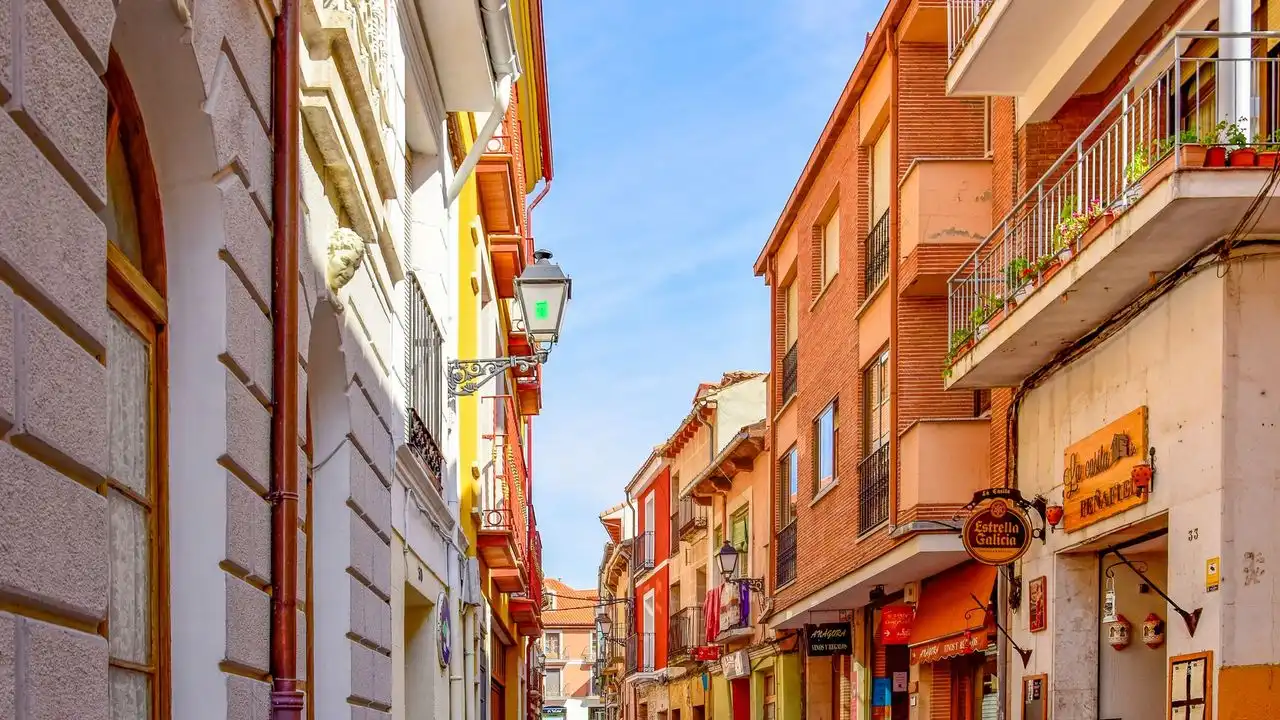
The Basque Country is famous for its stunning green mountains, rugged coastlines, and unpredictable weather.
Learning nature and weather vocabulary is a practical way to start describing the world around you in Basque.
In this guide, I’ll show you the most common Basque words for natural landscapes, elements, and weather conditions.
I’ll also include a few regional variations you might hear depending on which province you visit.
Table of Contents:
Basque weather terms
The Basque word for weather is eguraldia.
The weather is a very common topic of conversation everywhere you go.
You’ll need a few different verbs to talk about the weather in Basque.
For rain and snow, we typically use the verb ari du to say that it’s currently falling.
For wind, we use the verb dabil (walking/moving).
For the sun, we often use dago (is) or egiten du (does/makes).
Here are the most common weather nouns in standard Basque (Batua).
| English | Basque |
|---|---|
| Rain | Euria |
| Sun | Eguzkia |
| Wind | Haizea |
| Snow | Elurra |
| Cloud | Hodeia |
| Storm | Ekaitza |
Here’s how you use these words in full sentences to describe the current conditions.
Euria ari du.
Gaur eguzkia dago.
Haize handia dabil.
You might hear some regional differences when listening to native speakers talk about rain.
In the Bizkaia region, older speakers sometimes use the word uria instead of euria.
However, euria is understood everywhere and is the best word to memorize for beginners.
Talking about the temperature
Discussing the temperature in Basque is very straightforward.
We use the word hotza for cold and beroa for hot.
When describing the weather outside, Basque uses the verb egiten du (it makes).
| English | Basque |
|---|---|
| Cold | Hotza |
| Hot / Heat | Beroa |
| Warm | Epela |
Gaur hotz egiten du.
Bero handia egiten du.
If you want to say that you personally feel cold or hot, you use the verb dut (I have) instead of egiten du.
Hotza dut.
Basque nature and landscape vocabulary
The Basque landscape is incredibly diverse.
It ranges from the beaches of the Cantabrian Sea to the peaks of the Pyrenees mountains.
Here are the essential geographical words you’ll need to describe these places.
| English | Basque |
|---|---|
| Mountain | Mendia |
| Sea | Itsasoa |
| Beach | Hondartza |
| River | Ibaia |
| Forest | Basoa |
| Valley | Harana (or Bailara) |
Harana is the standard word for valley, but bailara is also widely used in many everyday conversations.
Here are a few ways to use these landscape words in context.
Mendira joatea gustatzen zait.
Itsasoa polita da.
Basoan ibiltzen ari gara.
Natural elements and plants
You’ll also want to know the names for basic natural elements and plant life.
These are core vocabulary words that show up constantly in Basque literature, poetry, and daily speech.
| English | Basque |
|---|---|
| Tree | Zuhaitza |
| Flower | Lorea |
| Water | Ura |
| Fire | Sua |
| Earth / Land | Lurra |
| Stone / Rock | Harria |
Notice how many of these basic elements end in the letter “a”.
In Basque grammar, the “a” at the end of the word acts as the singular definite article (like the word “the” in English).
For example, ur means water, and ura means “the water”.
Zuhaitza handia da.
Ura behar dut.
Begiratu lore horiek.
Learning these foundational words will immediately improve your ability to read Basque maps and talk to locals about the beautiful outdoors.