Vital Basque Phrases For Your Next Trip To Basque Country

Author
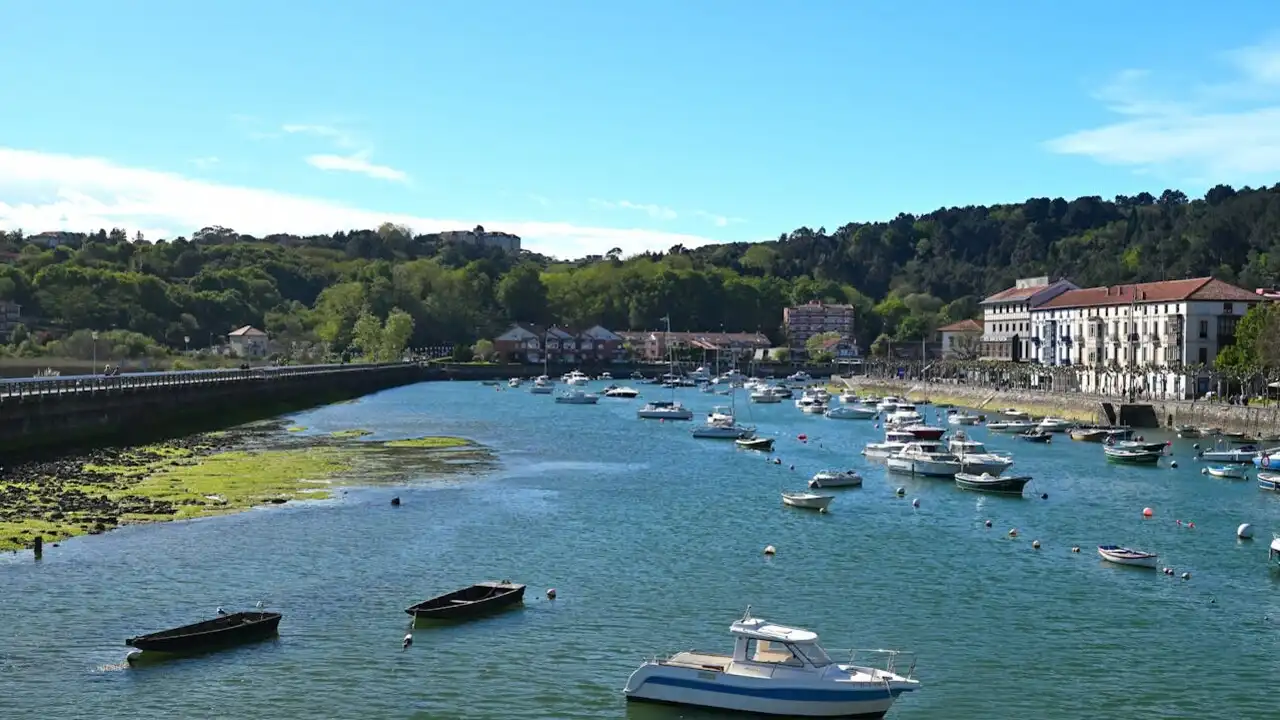
Welcome to the Basque Country, or as we call it, Euskal Herria.
I constantly get asked by people what they need to know before visiting places like San Sebastián, Bilbao, or the French Basque coast.
Do you need to be fluent in Basque to visit?
Not at all. Everybody here also speaks either Spanish or French.
But Basque (Euskara) is the oldest living language in Europe.
It’s a language isolate, meaning it’s not related to any other language on Earth.
Because of this, locals absolutely love it when visitors make an effort to say a few words. Even a simple “hello” or “thank you” in Basque will get you big smiles and incredibly warm service.
Here are the most important Basque phrases you’ll need for your trip.
Table of Contents:
Greetings and goodbyes
The easiest way to start using Basque is by greeting people. When you walk into a shop, a bar, or your hotel, use these basic greetings.
The most common way to say hello in Basque is kaixo. You can use this with anyone, at any time of day.
Kaixo
Just like in English, we also change our greetings depending on the time of day.
Egun on
Arratsalde on
Gabon
When it’s time to leave, the standard word for goodbye is agur.
Agur
Regional tip: While agur is understood everywhere in standard Basque (Batua), you might hear people say aio (pronounced eye-oh) as a friendly, informal way to say bye! Another common one is gero arte, which means “see you later.”
Politeness and basic manners
Good manners go a long way in any culture. If you only memorize two words from this entire guide, make sure they’re “please” and “thank you.”
Here’s a quick reference table for your basic manners:
| Basque phrase | Pronunciation | English meaning |
|---|---|---|
| Mesedez | meh-seh-des | Please |
| Eskerrik asko | es-kerr-eek ahs-ko | Thank you |
| Mila esker | mee-yah es-kerr | Thanks a million |
| Ez horregatik | ez oh-reh-gah-teek | You’re welcome |
| Barkatu | bar-kah-too | Excuse me / Sorry |
When you want to squeeze past someone on a crowded street or get a waiter’s attention, use barkatu.
If someone says eskerrik asko to you, responding with ez horregatik (which literally means “not for that”) is a great way to sound like a local.
Asking for help and directions
Getting lost is part of traveling. When you need to find your way back, or if you need to switch to English, these phrases are lifesavers.
If you aren’t sure if the person speaks English, it’s polite to ask first.
Ingelesez hitz egiten duzu?
Ez dut ulertzen.
When nature calls, you’ll definitely want to know how to ask for the bathroom. In Basque, the toilet or bathroom is called komuna.
Non dago komuna?
Ordering food and drinks
You can’t visit the Basque Country without enjoying our incredible food culture. You’ll likely spend a lot of time in pintxo bars (local spots serving small snacks on bread).
When you want to order something, you can simply name the item and add mesedez (please).
Garagardo bat, mesedez.
Ura, mesedez.
Kafe bat, mesedez.
Once you’re full of delicious pintxos and drinks, you’ll need to ask for the bill and find out how much you owe.
Zenbat da?
Kontua, mesedez.
Finally, if the chef or waiter asks how your food was, you can make their day by telling them it was delicious:
Oso goxoa!
Before your trip
Write these phrases down in your phone notes, or save this page so you can look at it while you’re walking around Bilbao or San Sebastián. The locals will love hearing you use Euskara!
Want to learn more before your trip? Check out my other beginner guides:
- How to pronounce the Basque alphabet
- Ordering pintxos like a local
- The history of the Basque language
As we say in Basque: Bidaia on! (Have a good trip!)